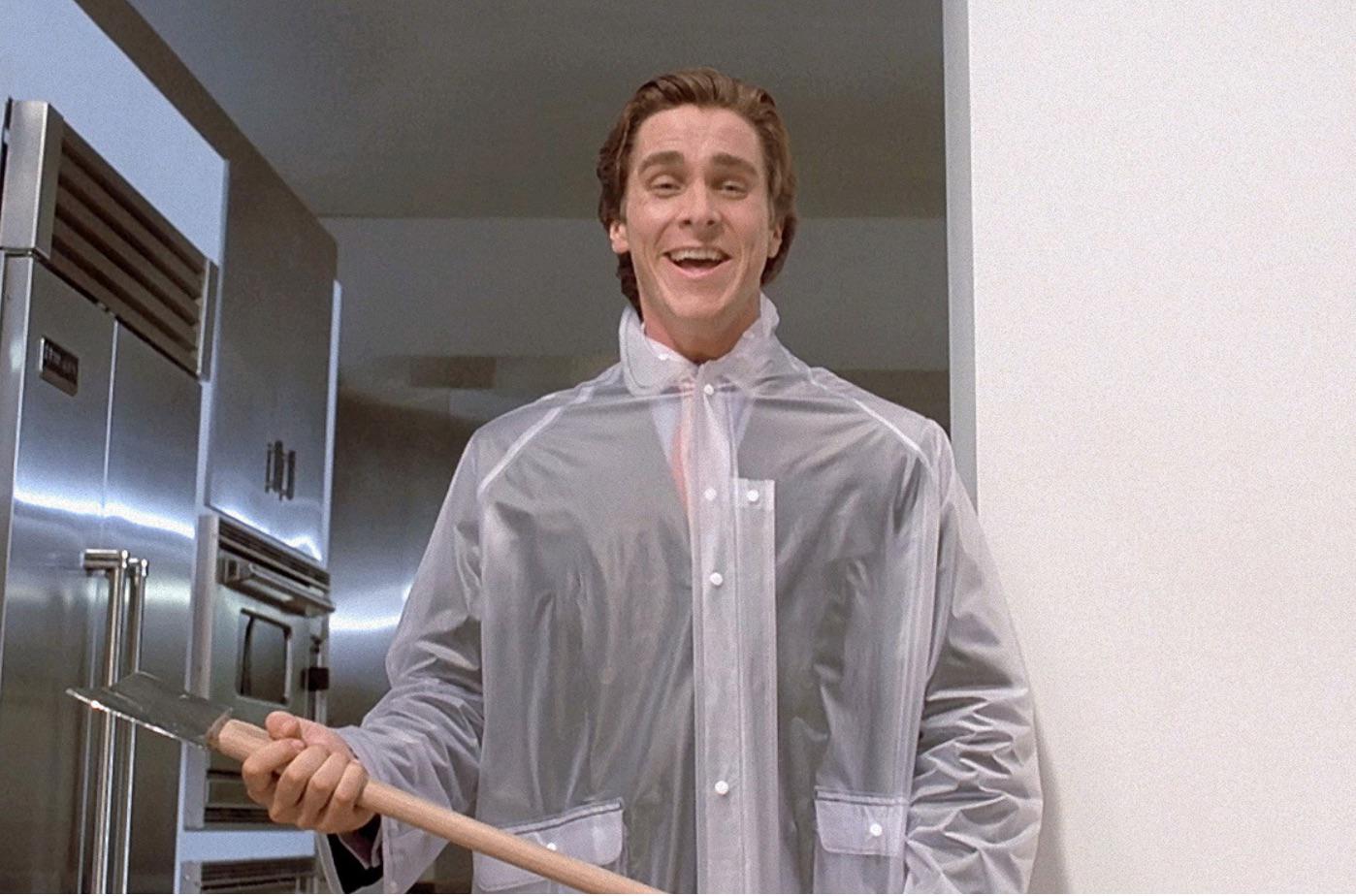
by Christian Sta Maria
As I scroll through my Letterboxd watchlist, I look through rows and rows of never ending
posters of movies, boasting titles that are highly renowned amongst cinephiles. Movies that are awarded for their beautiful imagery, their ability to evoke feelings and emotions, or their context within a larger cultural revolution within the film industry. Horror movies that have deeper allegorical meanings beyond just jumpscares and eerie visuals. Three-hour long movies. Yet, not a single fun movie in sight: no Disney, no High School Musical, no fun and joy in my watchlist. And after going through the hundreds of movies I have sworn up and down I would watch eventually, I end up closing Prime Video to watch music videos on YouTube instead. This happens every single time I try watching a new movie: I find myself bored of my list, but I never remove these movies from my watchlist because I convince myself that I have the intention of watching them– albeit eventually and most definitely not anytime soon.
posters of movies, boasting titles that are highly renowned amongst cinephiles. Movies that are awarded for their beautiful imagery, their ability to evoke feelings and emotions, or their context within a larger cultural revolution within the film industry. Horror movies that have deeper allegorical meanings beyond just jumpscares and eerie visuals. Three-hour long movies. Yet, not a single fun movie in sight: no Disney, no High School Musical, no fun and joy in my watchlist. And after going through the hundreds of movies I have sworn up and down I would watch eventually, I end up closing Prime Video to watch music videos on YouTube instead. This happens every single time I try watching a new movie: I find myself bored of my list, but I never remove these movies from my watchlist because I convince myself that I have the intention of watching them– albeit eventually and most definitely not anytime soon.
I could never seem to get myself to watch a movie, regardless of critical acclaim, even
when recommended by my friends and family. It just all seems so boring! I would force myself through these long movies, constantly taking note of what I think would impact one of the movie’s themes so that I can talk about it to other people with the most pretentious cinephile tone I could muster. I want people to see me as the end all be all of media knowledge and commentary, searching for an applause for how profoundly I could perceive films. With this, I constantly ask myself: to what extent do I just watch what I want to watch without seeking this validation I get from my almost-duplicit consumption of media?
when recommended by my friends and family. It just all seems so boring! I would force myself through these long movies, constantly taking note of what I think would impact one of the movie’s themes so that I can talk about it to other people with the most pretentious cinephile tone I could muster. I want people to see me as the end all be all of media knowledge and commentary, searching for an applause for how profoundly I could perceive films. With this, I constantly ask myself: to what extent do I just watch what I want to watch without seeking this validation I get from my almost-duplicit consumption of media?
With the rise of popularity among A24 and arthouse films over franchise MCU and
Disney films comes the widely agreeable “coolness” elicited by watching a more underground, indie film. They aren’t as well-known as a franchise film, which almost instantly gives us social currency. While a franchise film is focused on grabbing attention and holding it throughout the movie, these arthouse movies are more dependent on its commentary on a certain issue. They raise cognizance on social issues, personal problems, and even politics through storytelling, with less of an emphasis on holding a viewer’s attention. These films assume that their symbolism is entertaining enough to its viewers, thus only attracting a certain audience and not attaining mainstream success.
Disney films comes the widely agreeable “coolness” elicited by watching a more underground, indie film. They aren’t as well-known as a franchise film, which almost instantly gives us social currency. While a franchise film is focused on grabbing attention and holding it throughout the movie, these arthouse movies are more dependent on its commentary on a certain issue. They raise cognizance on social issues, personal problems, and even politics through storytelling, with less of an emphasis on holding a viewer’s attention. These films assume that their symbolism is entertaining enough to its viewers, thus only attracting a certain audience and not attaining mainstream success.
This formula worked until it became cool to be niche. As society has become hyper
focused on competing in these identity politics and who-can-be-more-niche competitions, media consumption has become largely performative. I will admit that I have fallen victim to this: I truly, genuinely, did not care about Spring Breakers (Korine, 2012)! I thought it progressed too slow while not providing enough visual and storytelling stimulation to hold my attention. Yet, the moment I finished, I instantly scoured through Reddit threads on the movie’s commentary so I could write an elaborate review, placating my cinephile persona and making me cooler than I actually am. In this battle for being the most niche, unique, and profound person people know, I am out here lying about the media I consume, sharing my “thoughts” which are only a culmination of Reddit comments and movie reviews from true cinephiles and sharing them as my own. But it works! I was rewarded with mountains of validation for having this eloquent analysis of Spring Breakers– an analysis that ultimately wasn’t mine.
focused on competing in these identity politics and who-can-be-more-niche competitions, media consumption has become largely performative. I will admit that I have fallen victim to this: I truly, genuinely, did not care about Spring Breakers (Korine, 2012)! I thought it progressed too slow while not providing enough visual and storytelling stimulation to hold my attention. Yet, the moment I finished, I instantly scoured through Reddit threads on the movie’s commentary so I could write an elaborate review, placating my cinephile persona and making me cooler than I actually am. In this battle for being the most niche, unique, and profound person people know, I am out here lying about the media I consume, sharing my “thoughts” which are only a culmination of Reddit comments and movie reviews from true cinephiles and sharing them as my own. But it works! I was rewarded with mountains of validation for having this eloquent analysis of Spring Breakers– an analysis that ultimately wasn’t mine.
This fetishization of novelty and nicheness comes with the over-intellectualization of film,
wherein movies are nitpicked to the very bone as cinephiles gawk over minute details that aren’t significant. Where cinephiles take the movie out of its context in seeking a greater allegory that sometimes strays too far away from the movie’s essence. Where movies simply aren’t movies anymore and are merely vessels to exercise someone’s expansive vocabulary. This very novelty has made movies more serious than it actually is: a form of entertainment, a source of joy. It forces an expectation on movie watchers to analyze a movie and pay undivided attention to every element of a film, making movie-watching an assignment over a leisurely activity.
wherein movies are nitpicked to the very bone as cinephiles gawk over minute details that aren’t significant. Where cinephiles take the movie out of its context in seeking a greater allegory that sometimes strays too far away from the movie’s essence. Where movies simply aren’t movies anymore and are merely vessels to exercise someone’s expansive vocabulary. This very novelty has made movies more serious than it actually is: a form of entertainment, a source of joy. It forces an expectation on movie watchers to analyze a movie and pay undivided attention to every element of a film, making movie-watching an assignment over a leisurely activity.
While analysis is definitely a fun part of watching film, the over-intellectualization of film
begs the question: is watching movies actually fun, or has it become a chore? Are these movies genuinely entertaining? Am I actually watching this because I want to or because I want to fit into a social group where coolness from niche movie-watching is a form of social currency? In changing my perception of cinema, I am trying to make the conscious effort to watch movies that truly strike my interest rather than performing for this cinephile identity I built (and trying to deconstruct). I am trying to avoid three-hour films whose only purpose in my life is to serve as a three-hour nap, or arthouse films where visual stimulation is not sustained throughout an entire movie and works better as a reference for my next Pinterest moodboard.
begs the question: is watching movies actually fun, or has it become a chore? Are these movies genuinely entertaining? Am I actually watching this because I want to or because I want to fit into a social group where coolness from niche movie-watching is a form of social currency? In changing my perception of cinema, I am trying to make the conscious effort to watch movies that truly strike my interest rather than performing for this cinephile identity I built (and trying to deconstruct). I am trying to avoid three-hour films whose only purpose in my life is to serve as a three-hour nap, or arthouse films where visual stimulation is not sustained throughout an entire movie and works better as a reference for my next Pinterest moodboard.
Pretentious film consumption has disrupted our perception of film and we have gotten
more drawn to boring movies out of performativity, losing the joy that movies are meant to
evoke. A movie can be equally fun as it is impactful. Film watching is not meant to feel like anassignment, nor be a means of social currency. Movies are intended to entertain, inspire, and provoke questions for viewers in order for them to process a movie authentically. We need to deconstruct the culture we have created around films and create a line between performativity and authenticity to make movie consumption meaningful again. We need to learn to appreciate movies without nitpicking its every detail or curating a social status for ourselves that is ingenuine.

Leave a Reply