by Olivia Sosa
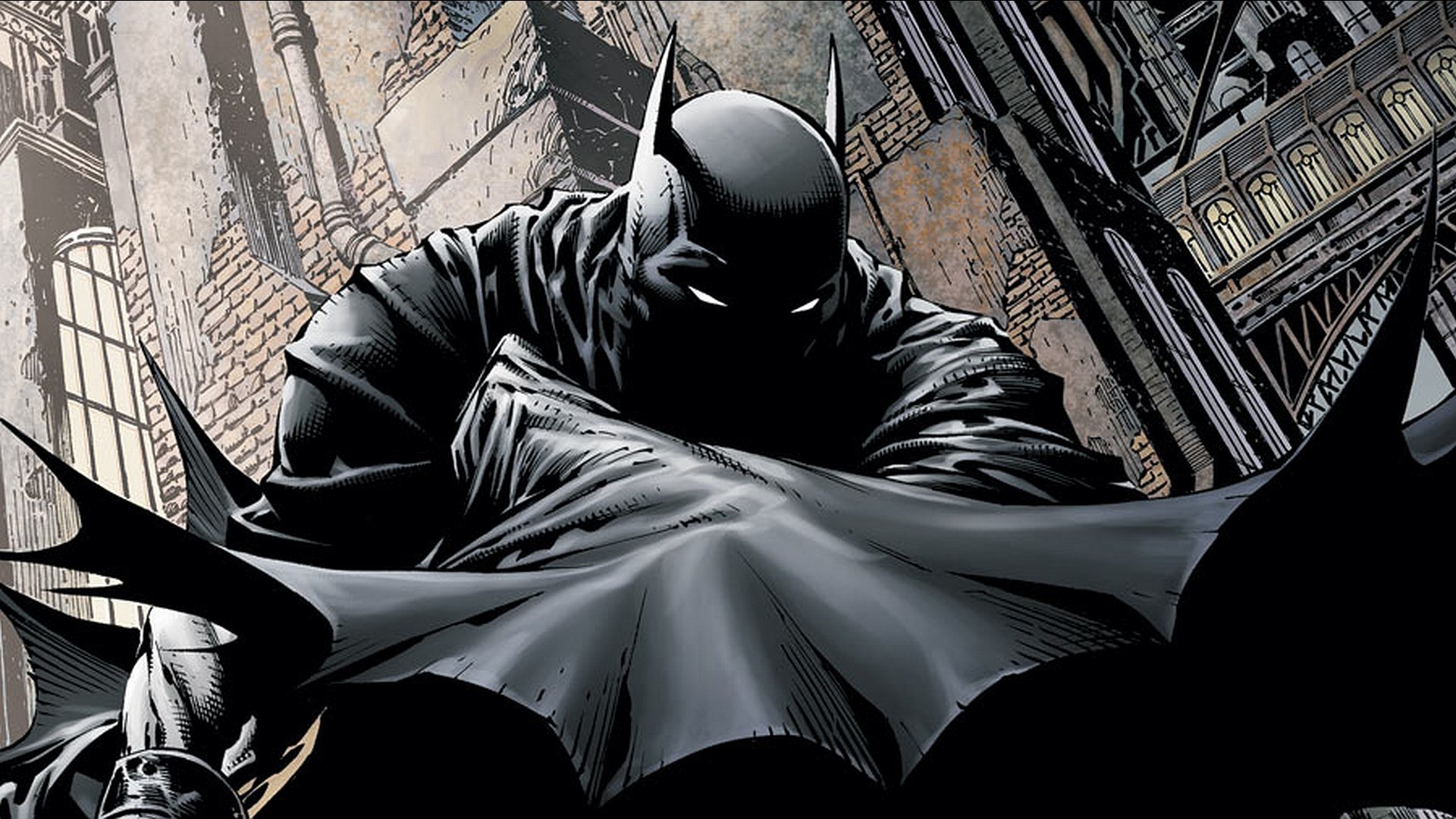
Batman is one of the longest-standing pop culture icons, evolving through comics, television, and film for almost a century. The character has constantly shifted between dark and lighthearted tones throughout the years, making him accessible to a wide variety of audiences. However, our generation was the first to put Batman into the sidelines, with Spiderman becoming the most well-known superhero, and I blame The Dark Knight. As much as I love the movie, it signaled a shift that drastically changed Batman’s legacy by prioritizing gritty realism over comic book fantasy, removing necessary elements such as the sense of fantastical adventure. While The Dark Knight is an exceptional film, it’s not an exceptional comic book film, and it reshaped the franchise into something more serious, stripping away its history of balance between dark and fun.
Batman’s portrayal has gone through constant changes throughout the character’s history. When he first appeared in 1939 he was a noir-inspired detective, solving mysterious crimes in Gotham City. The Silver Age (1950s-1970s) introduced a much lighter and campier Batman, greatly influenced by the Comics Code Authority which discouraged violence and darker themes. This era saw Batman evolve into a more family-friendly character, typically joined by his sidekick, Robin. The live action 1960s Batman TV show was entirely campy, colorful, and comedic, embracing the more playful elements of the Batman universe. The 1980s-1990s had a darker shift, with “The Dark Knight Returns” (1986) and “Batman: Year One” (1987) portraying Batman as a brooding vigilante. Michael Keaton’s Batman (Batman (1989) and Batman Returns (1992)) introduced a darker, gothic aesthetic but still continued with the spectacle, and Batman: The Animated Series from the 1990’s also balanced the fantasy with the serious. Val Kilmer (Batman Forever (1995)) and George Clooney’s (Batman & Robin (1997)) Batman’s were full of fun campy comedy, though
unfortunately these movies weren’t received well. Despite all the varied tones, Batman had always been versatile, existing in a world that allows for both the dark and fun versions of the character.
Christopher Nolan’s The Dark Knight Trilogy (2005-2012) went for a real-world approach,
removing many of Batman’s comic book elements. Batman was no longer a traditional superhero but a flawed vigilante operating in a world meant to resemble our modern society. Gotham became less mysterious, and villains like the Joker and Scarecrow were given more realistic abilities and personas rather than being exaggerated comic book characters like the previous films. This shift turned Batman into a character who could only fit in an ultra-serious persona and limited future adaptations. The most obvious omission was Robin, who was historically Batman’s balance from the brooding loner persona. Without the addition of one of the Robins, the Batman universe has become permanently defined by its realistic, serious tone with future adaptations (Batman v. Superman: Dawn of Justice (2016), Joker (2019), and The Batman (2022)) continuing this approach.
While The Dark Knight is an amazing movie, its legacy has made Batman a less versatile character, removing the comic book elements he was previously defined by.
Leave a Reply