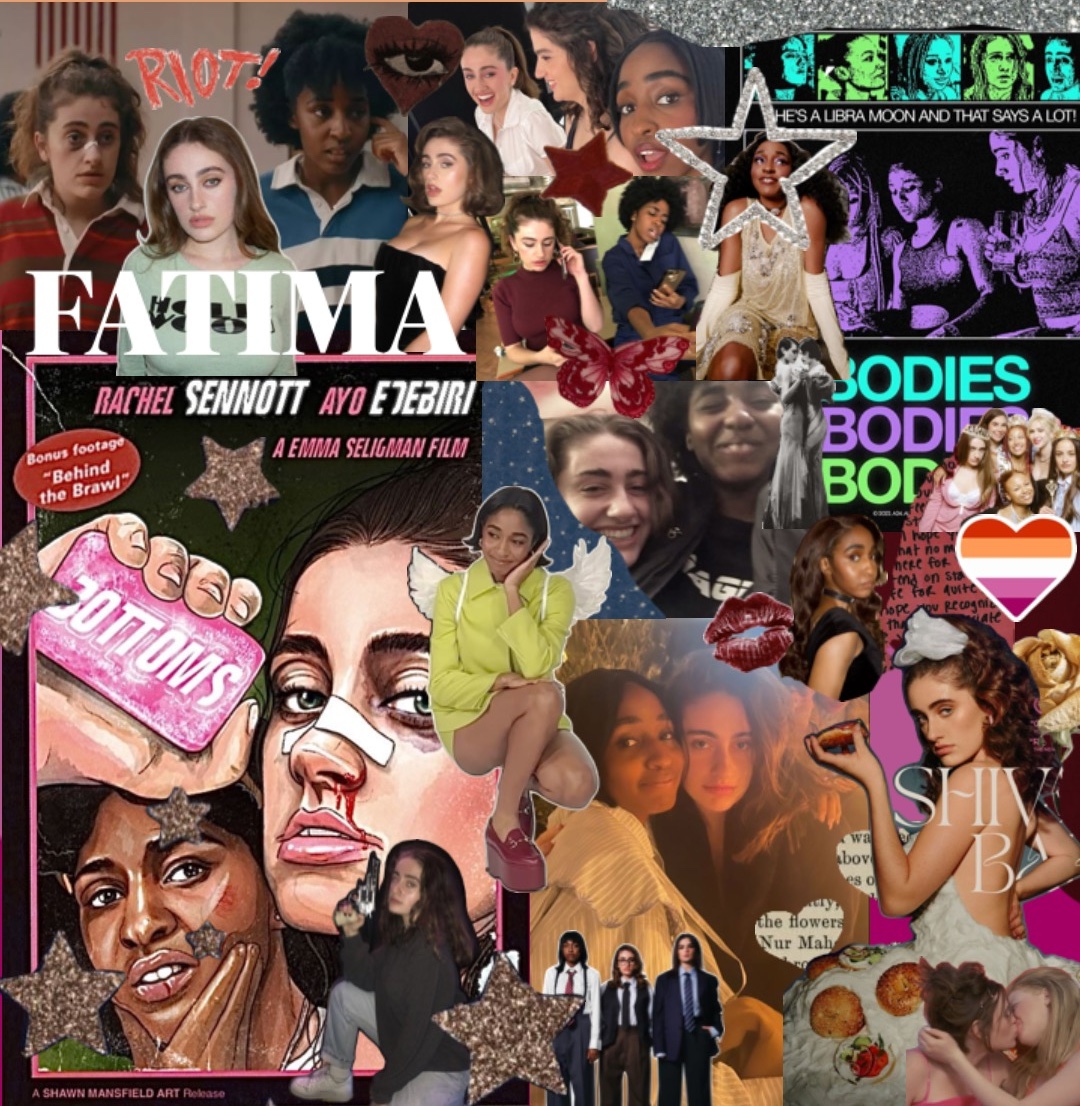
“Being gay can be fun and messy, we’re not defined by tragedy”
Written by Olivia Sosa
Media has always reflected the historical struggles and cultural shifts in society, and queer media is no different. Early LGBTQ+ identities in movies and tv were typically hidden behind subtext, stereotypes, or portrayed as shameful, tragic figures that were punished for their existence. The Hays Code specifically, and bigger societal repression, forced filmmakers to obscure queerness, leaving audiences to read between the lines. As activism grew, especially post-Stonewall, queer stories slowly became more open. Today, queer representation is layered and embraces joy, romance, and complexity. Queerness on the big screen has evolved from hidden subtext and stereotypes to open and complex representation, fully mirroring the evolution of queer history itself. Being gay can be fun and messy, we’re not defined by tragedy.
From the 1930s to the 1960s, the Hays Code regulated content and prevented open portrayals of same-sex attraction. As a result, LGBTQ+ characters were coded with subtext and metaphors, often shown as villains or tragic figures. Films like Rope (1948) and Rebecca (1940) subtly included queer themes, but censorship forced the narratives to stay ambiguous. These characters were linked to moral corruption and reinforced negative stereotypes. This era of repression shaped Hollywood’s approach to LGBTQ+ representation for decades, making gay something to be hinted at rather than embraced, reflecting societal stigma.
The Stonewall Riots of 1969 marked a turning point for LGBTQ+ rights and started a greater push for visibility and rights. This shift was reflected in film, leading to more explicitly queer stories such as The Boys in the Band (1970), one of the first mainstream movies to openly center gay characters. The AIDS crisis of the 1980s shaped queer cinema further, with films like Philadelphia (1993) and Longtime Companion (1989) highlighting the devastating impact.
Though the journey for queer representation is ongoing and seemingly never-ending, queer media has evolved significantly from tragedy to celebration, reflecting societies slow move towards greater acceptance.
Leave a Reply