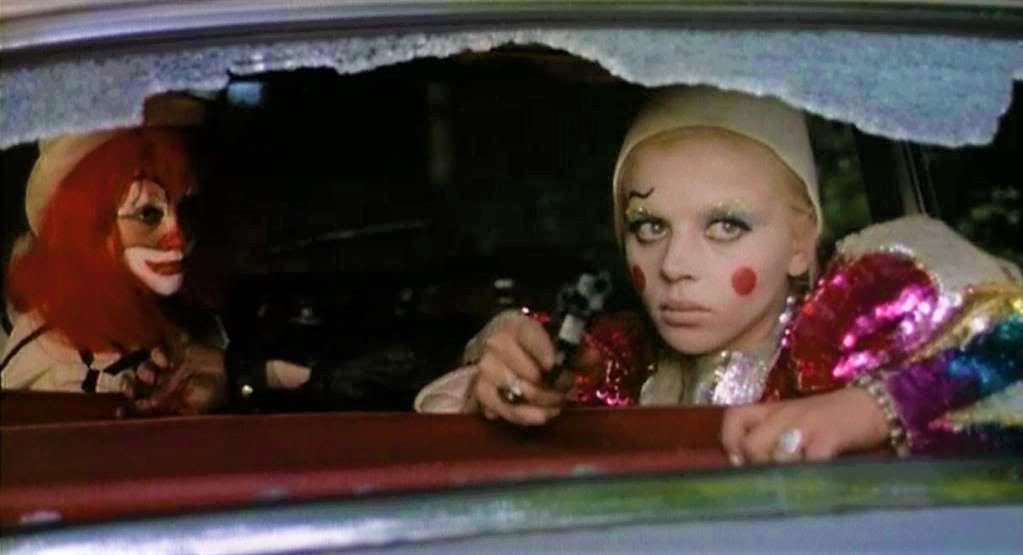
By Alexandria Boettner
Abandoned chateaus, fog-ridden cemeteries, & rocky beaches… Coupled with nude women,
vampires, and gore galore, this is the visual recipe for nearly every film by French horror director Jean Rollin, although there’s much more to his dreamlike gothic aesthetic than meets the eye. Too arthouse for sexploitation fans and too risqué for prestige circles, it’s not exactly a surprise that Rollin’s work has gone largely unnoticed even among obscure cult fanbases – but it’s a damn shame, because there’s really nothing else quite like his filmography.
At the heart of Rollin’s films lies a deep fascination with themes of death, decay, and rebirth, with his depictions of vampires and zombies as the living dead taking center stage to characterize this romantic existentialism. Rollin completely subverts our preconceived notions of vampire/zombie lore within pop culture – no two depictions of them in his films are exactly alike. Take The Nude Vampire, whose titular role is a girl with a blood disease that’s actually a mutant superpower, exploited by a cult of the wealthy elite in a surreal political commentary that blends X-Men with Eyes Wide Shut. This warping of genre extends to the unique atmosphere that permeates Rollin’s work: despite the subject matter, his films never really feel like horror. The dreamlike pacing and delicate, meditative quality with which events unfold feels almost therapeutic rather than shocking or unsettling. This is in large part due to Rollin’s acute sense of setting, which is one of the most distinguishing features within his filmography. He returns to the same ghostly locations in the French countryside over and over again, establishing them as essential to his oeuvre. His reverence for these extravagant places that have been ravaged by time is so intense it’s nearly palpable through the screen. Frames linger on ocean waves, dilapidated stone, and desolate train yards overgrown with grass more intimately than on his human subjects. Rollin’s settings are characters: they feel as fleshed out as the people within them, and their recurring nature within his body of work evokes the comforting sense of reuniting with an old friend.
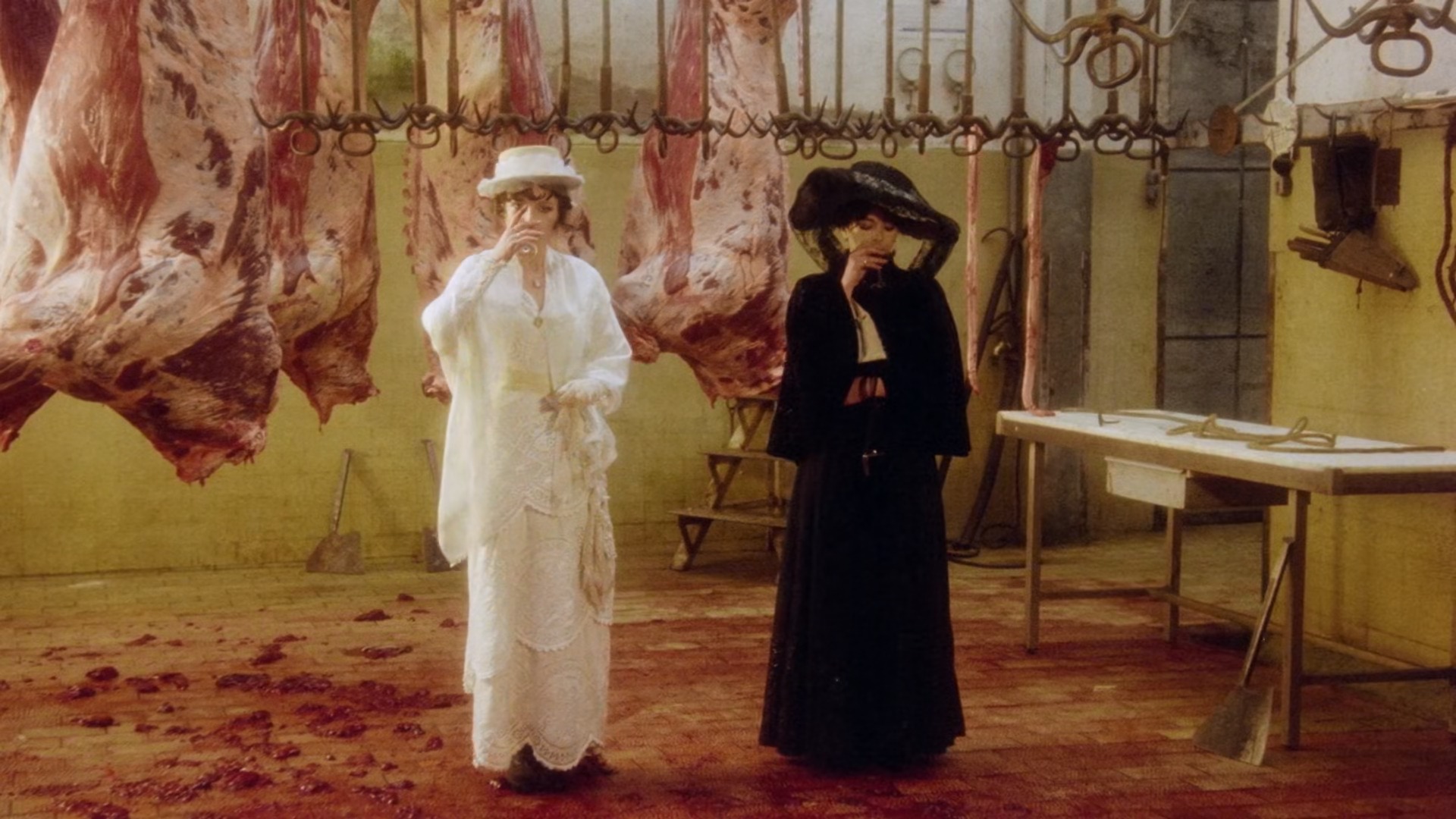
This is where the naked vampire ladies come in. At first glance it seems like typical 70s sexploitation fare; a crude objectification of women, but to actually watch one of Rollin’s films would prove you sorely mistaken. The nudity feels more like an afterthought, which it kind of was: Rollin fell into a financial crisis in the early 70s and had to include more eroticism in his films than he initially wanted in order to appeal to audiences. He seems much more interested in the power of the emotional and psychological bond between two women – all his films feature a duo of girls who are best friends and/or lovers, to a divine degree. In Two Orphan Vampires, the girls characterize their bond as godly, viewing themselves as reincarnations of ancient deities transcending time and space. If there’s even a man at all, the relationship between the two women will always remain more compelling, and he is typically presented as an obstacle to overcome, never lasting long in the picture. Rollin’s female leads are relatable, enchanting, and everything in-between, due to the genuine attention he directs towards their narratives and internal feelings. The performances of these actresses are criminally underappreciated as well: Brigitte Lahaie is a standout in each of her many features within Rollin’s filmography, but it is Françoise Blanchard’s layered performance in The Living Dead Girl that takes the cake. Her pain and desperation as a newly revived corpse trying to suppress her insatiable thirst for blood is visceral and deeply tragic; the undead beating heart of a film whose traces can be seen all over feminine monstrosity films to come decades later like Ginger Snaps and Jennifer’s Body.
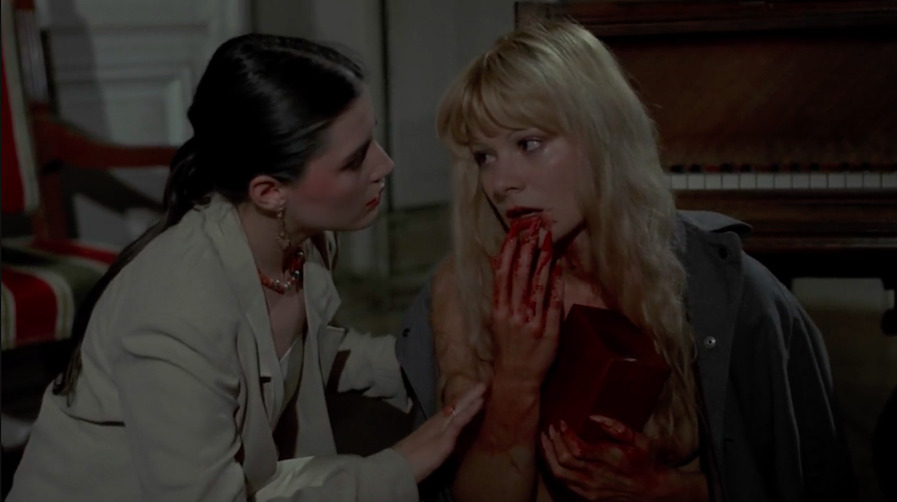 Marina Pierro & Françoise Blanchard in The Living Dead Girl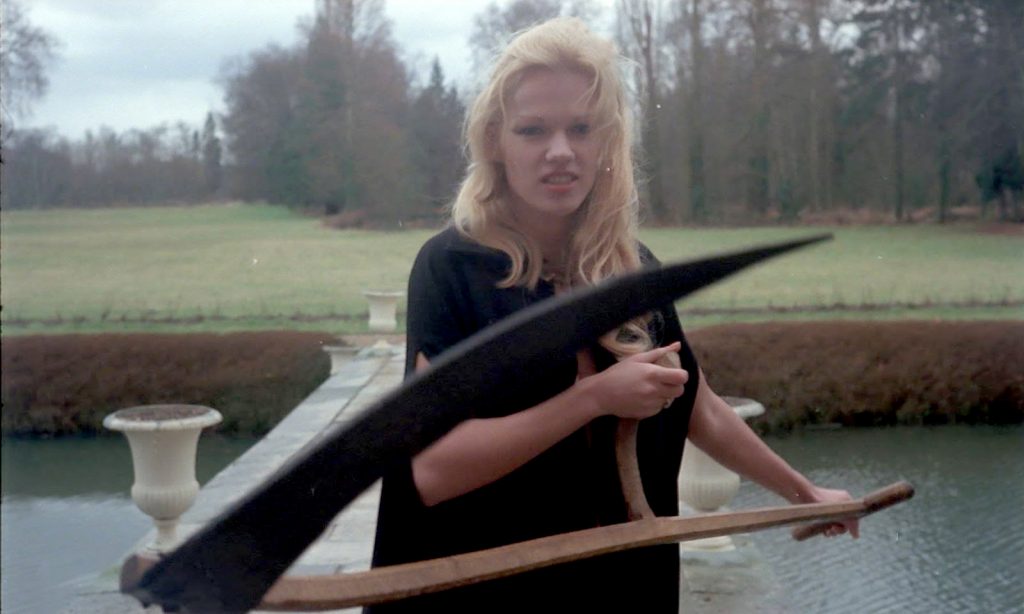
comes to portraying complex women and positive female relationships (especially for a male director). Many images from his films are instantly striking, but there’s equally as much meaning behind every frame as there is beauty. If you live for the aesthetic and/or adore genuinely good female representation in horror, look no further than the films of Jean Rollin – elevated phantasmagoria disguising itself as grindhouse sleaze to transcend labels and become something truly inimitable.

Leave a Reply